 Bestseller
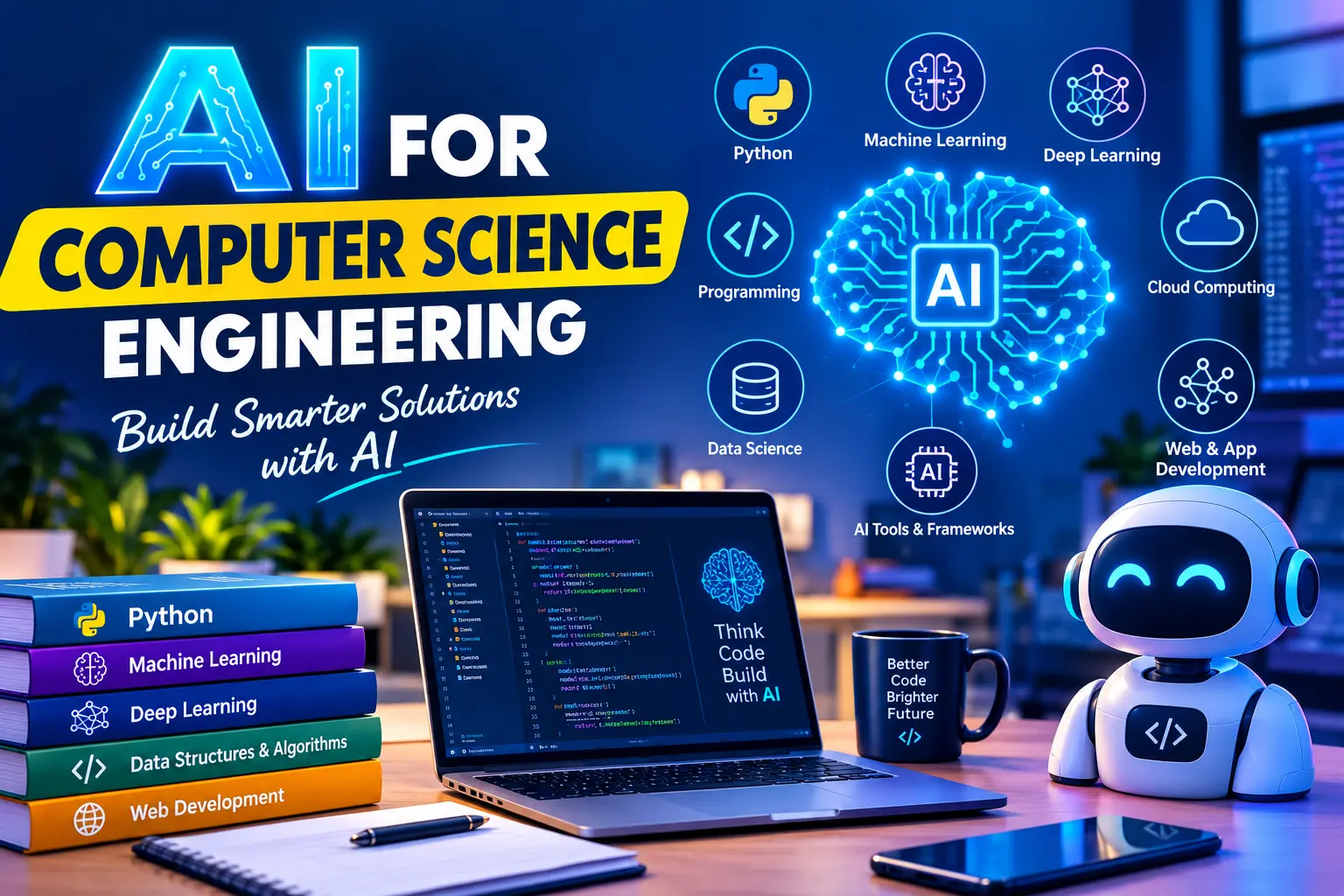
AI Project Accelerator (SAPA) is a 10-week, hands-on, project-based AI software development program designed to help learners build a complete, production-ready application using modern AI tools.
Instead of learning AI tools individually, students work through the complete software development lifecycle—from requirement analysis and UI design to database development, API creation, AI-assisted coding, testing, deployment, documentation, and GitHub portfolio creation.
By the end of the course, learners will have one complete AI-assisted full-stack project that can be demonstrated to recruiters or clients.
Module 1 | Requirement Analysis (Week 1)
Translate a vague product idea into a clear, buildable specification.
• Discovering stakeholder needs and writing user stories
• Functional vs. non-functional requirements
• Using AI (Claude/ChatGPT) to interrogate and stress-test a product idea
• Turning requirements into an MVP feature list and acceptance criteria
AI / Tools: Claude, ChatGPT, Notion / Miro
Deliverable: A one-page Product Requirements Document (PRD) for the capstone project
Module 2 | AI Prompt Engineering (Week 2)
Direct AI tools reliably so they produce production-usable output on the first or second try.
• Prompt anatomy: role, context, constraints, output format
• Few-shot examples, chain-of-thought, and self-critique prompting
• Context engineering for long, multi-file coding sessions
• Building reusable prompt templates for recurring dev tasks
AI / Tools: Claude, system prompts, prompt libraries
Deliverable: A personal prompt-template library for requirements, code, and tests
Module 3 | UI Generation (Week 3)
Design and generate a usable interface without a dedicated designer.
• Wireframing from requirements
• AI-assisted UI generation (Claude Artifacts, v0, Figma AI)
• Component-based design systems and responsive layout
• Refining AI-generated UI for accessibility and brand consistency
AI / Tools: Claude Artifacts, v0, Figma, Tailwind CSS
Deliverable: A clickable UI prototype for the capstone application
Module 4 | Database Design (Week 4)
Model data correctly before writing a single line of backend code.
• Entity-relationship modelling and normalization
• Choosing SQL vs. NoSQL for a given use case
• AI-assisted schema generation and query drafting
• Indexing, constraints, and seed data for local development
AI / Tools: PostgreSQL / MongoDB, dbdiagram.io, Claude
Deliverable: A finalized ER diagram and schema migration script
Module 5 | API Development (Week 5)
Build a clean, well-documented backend that the UI can talk to.
• REST API design principles and versioning
• Authentication, authorization, and input validation
• AI-assisted endpoint scaffolding and error handling
• API contracts and OpenAPI/Swagger documentation
AI / Tools: Node.js / Express or FastAPI, Postman, Claude
Deliverable: A working, documented API with core CRUD endpoints
Module 6 | AI-Assisted Coding (Week 6)
Pair-program with AI to ship features faster without losing code quality.
• Working with AI coding agents (Claude Code, Cursor, Copilot)
• Task decomposition: breaking features into AI-sized steps
• Code review habits when AI writes the first draft
• Refactoring and maintaining architectural consistency
AI / Tools: Claude Code, VS Code / Cursor, Git
Deliverable: Core application features implemented end-to-end
Module 7 | Testing with AI (Week 7)
Catch bugs before users do, using AI to widen test coverage quickly.
• Unit, integration, and end-to-end testing fundamentals
• AI-generated test cases and edge-case discovery
• Debugging strategies when working with AI-written code
• Continuous testing in the development workflow
AI / Tools: Jest / Pytest, Playwright, Claude
Deliverable: A test suite covering critical application paths
Module 8 | Deployment (Week 8)
Ship the project to a live, publicly accessible environment.
• Environment management and configuration secrets
• Containerization basics with Docker
• CI/CD pipelines for automated build and deploy
• Hosting on cloud platforms (Vercel, Render, AWS/GCP)
AI / Tools: Docker, GitHub Actions, Vercel / Render
Deliverable: A live, publicly accessible deployment of the capstone project
Module 9 | Documentation (Week 9)
Communicate the project clearly to future developers, reviewers, and recruiters.
• Writing effective READMEs and setup guides
• API and codebase documentation with AI assistance
• Architecture diagrams and decision records
• Writing a project case study for a portfolio
AI / Tools: Markdown, Claude, diagram tools
Deliverable: Complete project documentation and architecture overview
Module 10 | GitHub Portfolio (Week 10)
Package all coursework into a portfolio that gets interviews.
• Structuring a GitHub profile that recruiters trust
• Commit hygiene, branching, and pull request practice
• Writing a standout portfolio README and pinned repos
• Final capstone presentation and peer review
AI / Tools: GitHub, GitHub Pages / personal site
Deliverable: A published GitHub portfolio featuring the capstone project
Copyright © 2026 DITRP INDIA. All Rights Reserved